Outgrown What Patching Can Fix?
When a lot has too many failing spots to patch one at a time, resurfacing restores the whole surface at once.
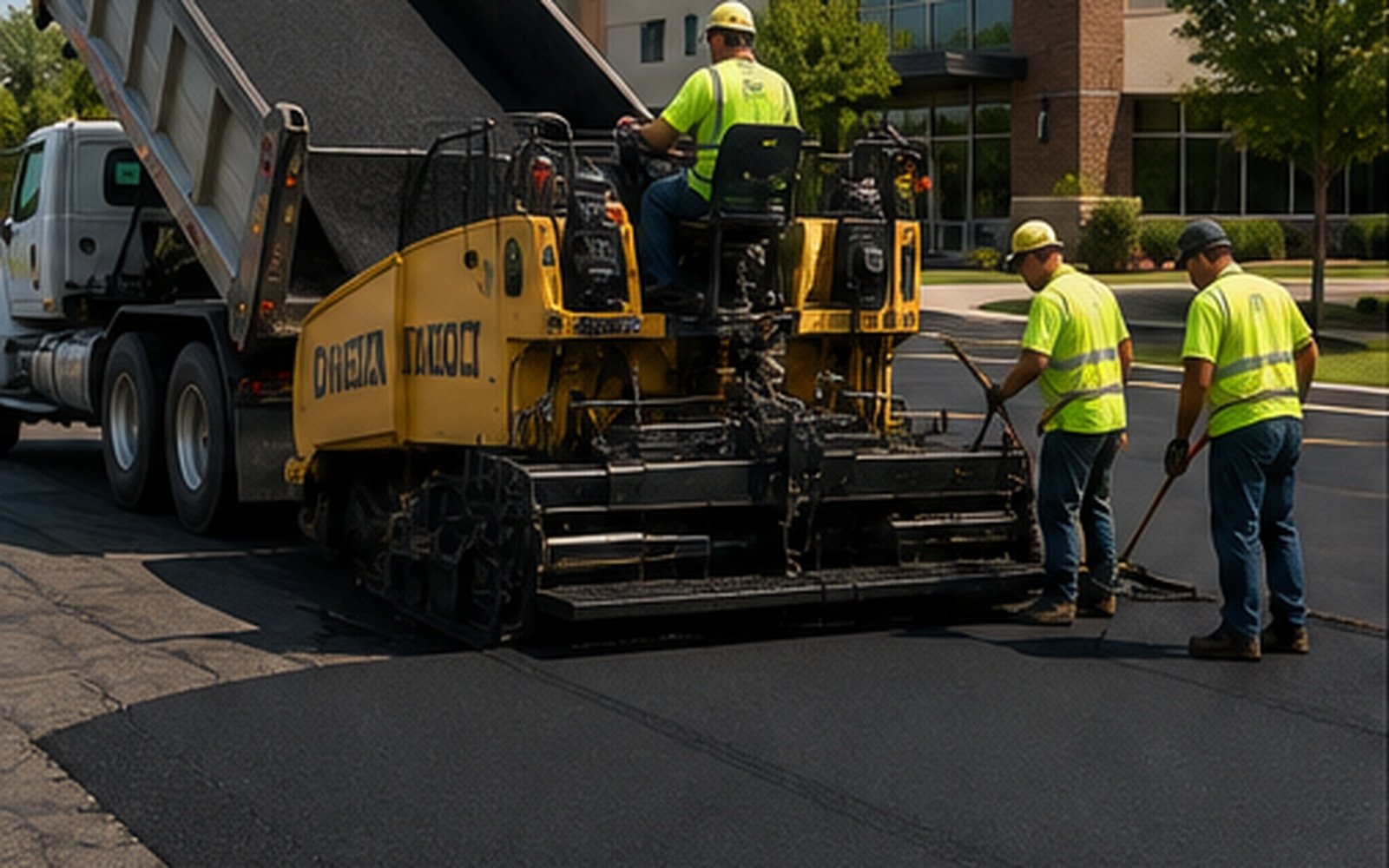
Every parking lot eventually reaches a point where patching individual problem spots stops making financial sense — the lot has enough failing areas, cracking, and surface wear that a full resurface costs less over time than an endless string of one-off repairs. Resurfacing removes or overlays the failing surface and rebuilds it as a single, structurally sound layer, rather than a patchwork of repairs at different ages and depths.
We handle both full-depth resurfacing (removing the failed surface down to a sound base before repaving) and asphalt overlay (adding a new structural layer over an existing surface that’s still structurally sound underneath), and we tell property managers plainly which approach their lot actually needs — overlay is not appropriate for a lot with base failure, and we won’t sell it as a fix for a problem it won’t solve.
Asphalt overlay only works when the base underneath is still sound — it adds a new wearing surface but doesn’t fix a structural problem. A lot with real base failure needs the old surface removed and the base addressed before new asphalt goes down, or the same problems telegraph through the new surface within a season or two. Getting this diagnosis wrong is one of the most expensive mistakes in commercial pavement work, which is why we assess the base condition before recommending either option.
We evaluate the base and surface condition across the entire lot before recommending overlay or full resurfacing.
Removing failed asphalt down to a sound base ahead of a full resurface.
Applied to the depth and specification the lot’s actual condition calls for.
Photos of the finished lot for your property file and as a baseline for future maintenance planning.
| Pricing factor | How it affects your estimate |
|---|---|
| Extent & depth of damage | Full-depth repair and base correction cost more than surface-level fixes. |
| Lot size & scope | Larger projects and multi-visit contracts change per-unit pricing. |
| Asphalt vs. concrete work | Bundling both on one visit is typically more cost-effective than separate contractors. |
Resurfacing and overlay pricing depends on total lot size, current surface and base condition, and whether the project is a full-depth resurface or a structural overlay. Lots requiring base repair before resurfacing cost more than a straightforward overlay on a sound base. We’ll walk the property, assess the base, and give you an itemized written estimate before any work starts.
We tell property managers the truth about whether their lot needs an overlay or a full resurface, even when overlay is the cheaper, easier sell — because recommending overlay on a lot with base failure just delays the real cost and adds a wasted layer of asphalt on top of a problem that’s still there. Our reputation depends on the diagnosis being right, not on the easiest quote.
No pressure, no obligation — just a straightforward look at your property.
You call or request an estimate. Tell us what you’re seeing — multiple failing spots, general surface wear, or a lot that’s simply aging out.
We schedule a walkthrough, usually within the same week.
We assess the base and surface condition across the full lot.
We recommend overlay or full resurfacing based on what the lot actually needs, and explain why.
We complete the work and document it with photos for your property file.
Multiple failing spots that keep reappearing after patching, alligator cracking spread across large sections, a surface that’s visibly aging faster than patch-by-patch maintenance can keep up with, or a property manager who’s spent more on individual patches in the last two years than a resurface would have cost are all signs it’s time. In Wichita, warm, dry stretches are the ideal window for resurfacing work, since asphalt needs the right temperature to compact and cure properly.
An overlay adds a new asphalt layer over an existing, structurally sound surface. A full resurface removes the failed surface down to the base before repaving — necessary when the base itself has failed.
It depends on lot size and scope, but most commercial resurfacing projects are completed within a few days once scheduled, with cure time before the lot reopens to full traffic.
If the potholes are caused by base failure, yes — resurfacing addresses the underlying problem rather than patching the same spot again. We’ll confirm the cause during your assessment.