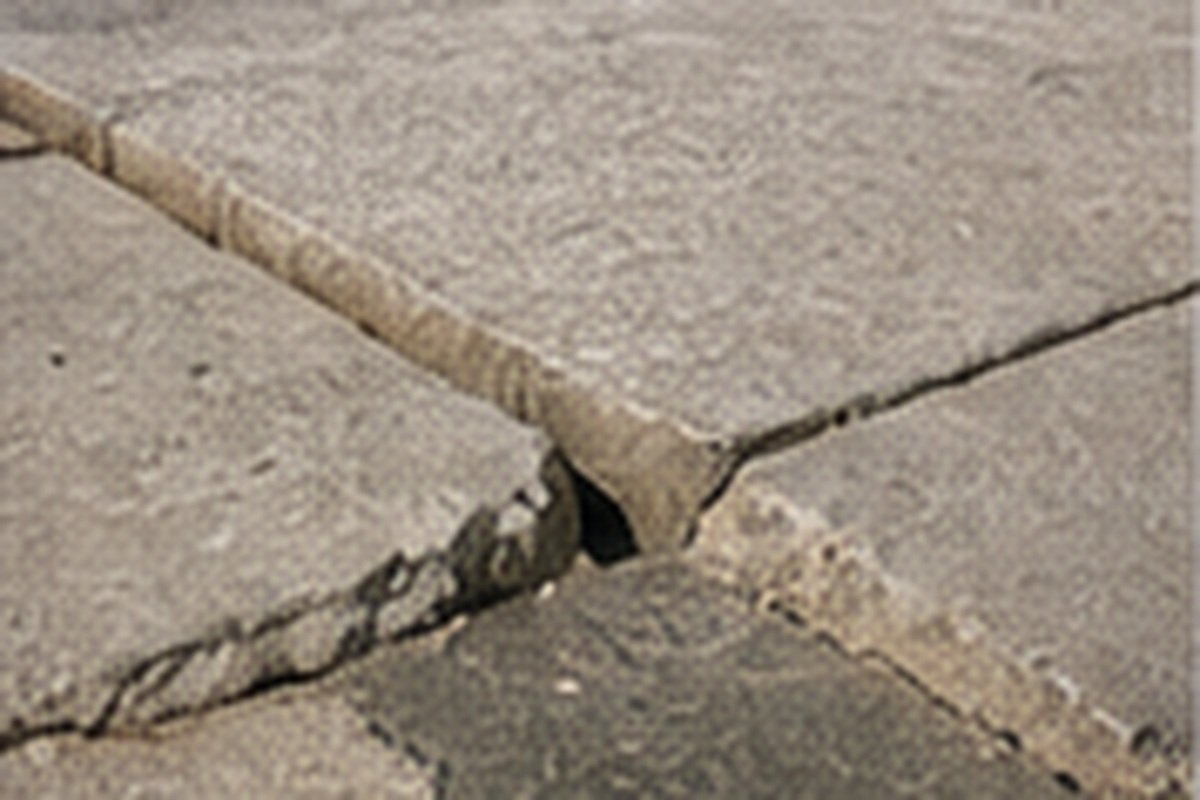
Cracked Curbs, Broken Sidewalks?
Curbs, sidewalks, and parking lot concrete take real wear too — we repair them under the same roof as your asphalt work.
A commercial property’s pavement isn’t just asphalt — curbs, sidewalks, wheel stops, and concrete islands all take real wear from vehicle traffic, weather, and time, and cracked or heaving concrete is both a liability risk and a visible sign of neglect. Most asphalt contractors treat concrete as someone else’s problem, which means property managers end up coordinating a second contractor for work that’s often happening on the same property, at the same time, as their asphalt repairs.
We handle commercial concrete repair directly — curb replacement, sidewalk repair and leveling, wheel stop installation, and parking lot concrete islands — so a property manager gets one crew and one schedule instead of two separate vendor relationships for work on the same lot.
Concrete deteriorates slower than asphalt, which means it’s easy to overlook until a crack becomes a trip hazard or a curb has visibly heaved out of alignment. But concrete failures carry real liability exposure — a cracked or uneven sidewalk is exactly the kind of thing that turns into a slip-and-fall claim — and they’re cheaper to fix early than after they’ve become a safety issue. Handling concrete alongside asphalt work means it doesn’t fall through the cracks between two different contractors.
Damaged or heaved curbs repaired or replaced to restore proper drainage and vehicle guidance.
Cracked, uneven, or heaved sidewalk sections repaired to eliminate trip hazards.
Replacing damaged wheel stops and installing new ones where needed.
Repair of concrete islands, curbs around landscaped areas, and other lot-specific concrete features.
| Pricing factor | How it affects your estimate |
|---|---|
| Extent & depth of damage | Full-depth repair and base correction cost more than surface-level fixes. |
| Lot size & scope | Larger projects and multi-visit contracts change per-unit pricing. |
| Asphalt vs. concrete work | Bundling both on one visit is typically more cost-effective than separate contractors. |
Concrete repair pricing depends on the type and extent of damage, total linear footage or square footage involved, and whether it’s bundled with an asphalt repair project on the same property. Bundling concrete and asphalt work in one visit is typically more cost-effective than scheduling them separately. We’ll walk the property and give you an itemized written estimate before any work starts.
Most contractors in this market only do asphalt, leaving property managers to find a second vendor for concrete work on the same lot. We handle both, which means one point of contact, one schedule, and no coordination gap between an asphalt crew and a concrete crew working the same property.
No pressure, no obligation — just a straightforward look at your property.
You call or request an estimate. Tell us about the curbs, sidewalks, or concrete features that need attention.
We schedule a walkthrough, usually within the same week — often alongside an asphalt assessment if you need both.
We assess the concrete damage, identifying repair versus replacement needs.
We complete the repair, matching it to the surrounding concrete where possible.
We document the finished work with photos for your property file.
Visible cracks in curbs or sidewalks, sections that have heaved or settled unevenly, wheel stops that are cracked, displaced, or missing, or a walkway that’s become a trip hazard are all signs it’s time. This work is especially worth prioritizing ahead of an insurance inspection or after any recent freeze-thaw cycle, which is when Kansas concrete damage tends to worsen fastest.
Yes — bundling concrete and asphalt work on the same visit is common and typically more cost-effective than scheduling them as separate projects.
It depends on the repair type and weather — we’ll give you a specific timeline before the area reopens to foot or vehicle traffic.
We aim to match texture and finish where practical, though some variation between new and existing concrete is normal and will be discussed during your estimate.