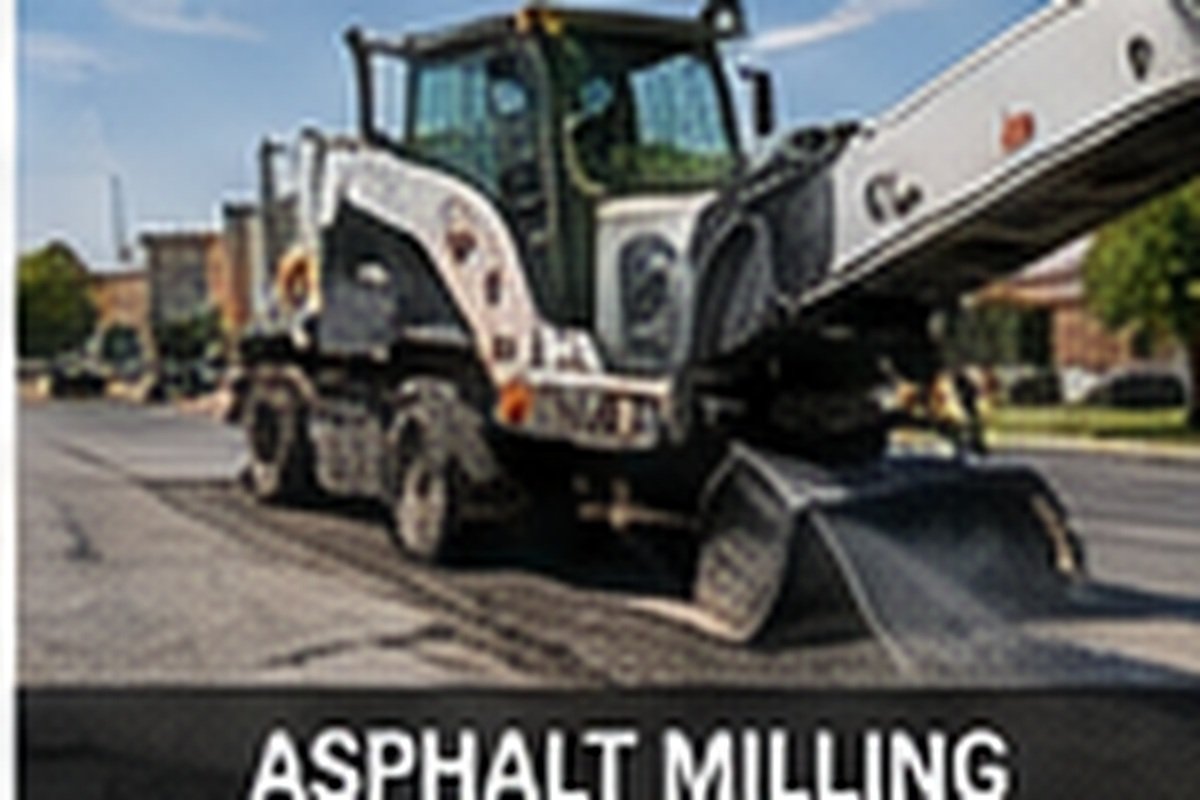
The Step Before a Good Resurface
Paving over a failed surface just buries the problem — milling removes it so the new asphalt has a sound base to bond to.
Asphalt milling grinds up and removes the top layer of failed or worn pavement, leaving a clean, properly graded surface for a new layer of asphalt to bond to. Skipping this step and paving directly over a deteriorated surface is a common shortcut that saves time upfront but leads to reflective cracking and early failure, since problems in the old surface telegraph up through the new one.
We mill to the depth a resurfacing project actually requires, grading the surface properly for drainage before new asphalt goes down. This is prep work that determines how long a resurface actually lasts — done right, it’s the difference between a resurface that holds for a decade and one that starts showing the same problems within a year or two.
When new asphalt is paved directly over a cracked or failing surface without milling first, the cracks and unevenness in the old layer tend to work their way up through the new layer over time — a problem called reflective cracking. Milling removes the compromised material entirely, giving the new asphalt a clean, structurally sound surface to bond to instead of a shortcut that just delays the same problems.
We determine how much of the existing surface needs to be removed based on its condition.
Grinding out the failed layer to a clean, properly graded surface.
Ensuring the milled surface slopes correctly before new asphalt is applied.
Clearing milled material from the site as part of the project, not left for the property to deal with.
| Pricing factor | How it affects your estimate |
|---|---|
| Extent & depth of damage | Full-depth repair and base correction cost more than surface-level fixes. |
| Lot size & scope | Larger projects and multi-visit contracts change per-unit pricing. |
| Asphalt vs. concrete work | Bundling both on one visit is typically more cost-effective than separate contractors. |
Milling pricing is typically based on total square footage and milling depth required. It’s most commonly bundled into a resurfacing or overlay project rather than priced as a standalone service, though we can quote it separately for properties preparing a lot for a project scheduled later. We’ll assess the lot and give you an itemized written estimate.
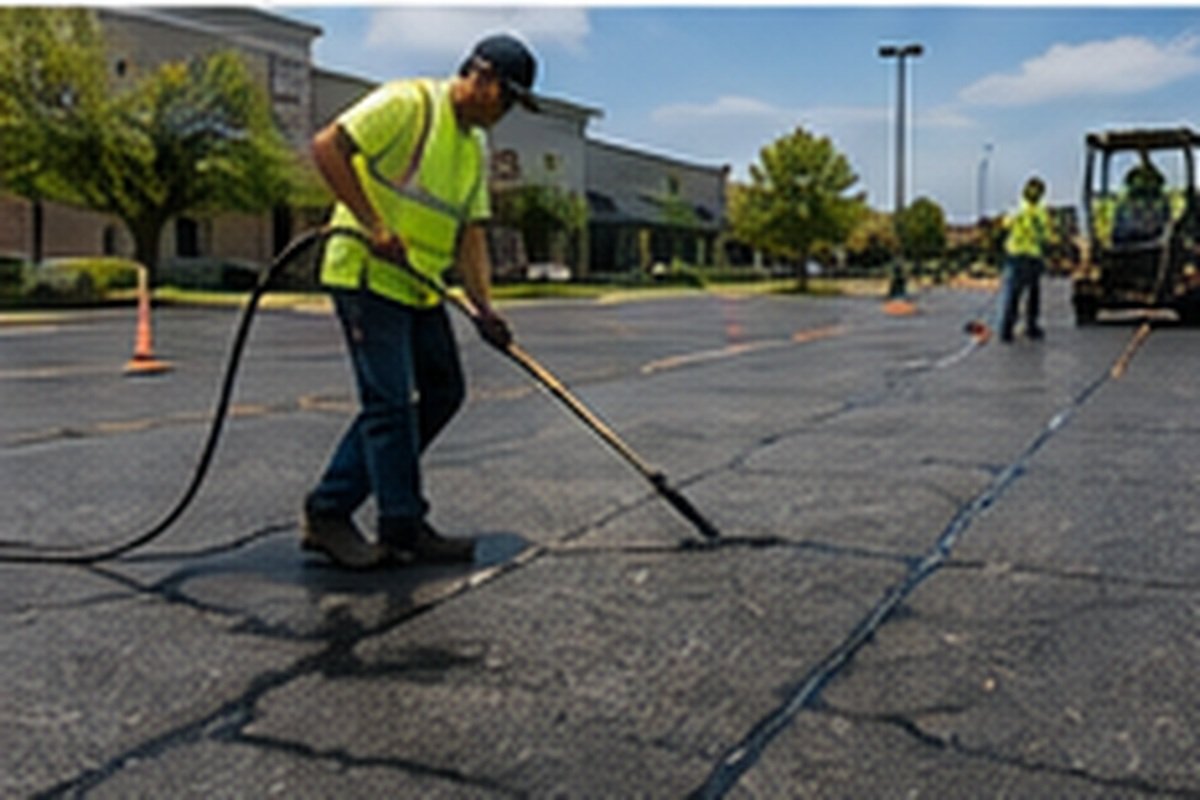
Milling is easy to skip to save time and money on a resurfacing project, and it’s exactly the kind of shortcut that shows up as a problem a year or two later instead of on the day the job is finished. We include proper milling as standard prep work on resurfacing projects that need it, not as an optional upgrade.
No pressure, no obligation — just a straightforward look at your property.
You call or request an estimate for a resurfacing or overlay project.
We assess the existing surface to determine milling depth and scope.
We mill the surface to a clean, properly graded base.
We remove debris from the site as part of the project.
We proceed to resurfacing with the prepared surface ready for new asphalt.
Extensive alligator cracking across the surface, an uneven or rutted surface that a simple overlay wouldn’t correct, drainage problems caused by an out-of-grade surface, or a resurfacing quote that skips milling entirely are all reasons to ask whether milling should be part of your project. If a contractor recommends paving directly over a badly deteriorated surface without milling, that’s worth a second opinion.
Not always — a lot with a sound, only lightly worn surface may be a candidate for a direct overlay. Milling becomes necessary when the existing surface has significant cracking, rutting, or grading issues.
It’s removed from the site as part of the project — we handle debris removal so you’re not left with a cleanup job.
Milling is typically done as prep work ahead of resurfacing, since milling alone leaves a surface that isn’t finished — but we can discuss standalone milling for specific project needs.